Musical Arrangements for Orchestra
As a student arranger for my pops orchestra, I transcribed multiple pieces by ear based on movie and TV scores.
British Ladies: Scenes from Downton Abbey (Lunn)
Program Notes
The winner of numerous awards including an Emmy and a Golden Globe, it is clear that the British-based TV show Downton Abbey has found its way into the hearts of Americans. Downton takes place in England from 1912 to 1926, a time of turbulent social change. The plot centers around the Crawley family and their staff as they navigate the dissolution of class divisions and the chaos of their changing environment.
As the narrative develops, Downton Abbey becomes increasingly attentive to the interior lives and ambitions of its female characters, particularly the Crawley sisters. Their evolution is not portrayed as a clean break from tradition, but as a negotiation with it: they become writers, organizers, caretakers, and leaders while remaining embedded in the constraints of aristocratic society. This tension—between inheritance and independence—gives their growth its emotional weight. Parallel arcs among the servants echo this theme, as education and self-determination offer gradual paths out of prescribed roles rather than sudden liberation.
Titled British Ladies, this arrangement draws from the Masterpiece Classic theme and weaves through musical motifs that recur throughout the series, mirroring the layered social worlds Downton Abbey portrays.
Castle in the Sky (Hisaishi)
Program Notes
Hayao Miyazaki’s Castle in the Sky (1983), Studio Ghibli’s first animated feature, brings together themes that define his work: loss and wonder, flight and technology, nature and power. Following Sheeta and Pazu as they search for the mythical floating castle Laputa—while evading pirates and government agents—the film draws on sources ranging from Gulliver’s Travels to Biblical and Hindu imagery. Beneath its adventure lies a commentary on utopia, industrial ambition, and humanity’s fragile relationship with the natural world.
Joe Hisaishi’s score exists both within the film and as a symphonic work; this arrangement draws from both. Built from three central themes—the title melody, a recurring fanfare, and Laputa’s theme—the music relies on simplicity, repetition, and shifting instrumentation. Each return to these motifs feels like a re-entry into Miyazaki’s world: serene, expansive, and quietly magical.
Nausicaa of the Valley of the Wind (Hisaishi)
Program Notes
From acclaimed Japanese director Hayao Miyazaki, Nausicaä of the Valley of the Wind tells the story of a fearless princess in a post-apocalyptic world trying to save her kingdom from both a toxic jungle and a power-hungry queen. The movie ties darker themes, such as nuclear destruction and the relationship of man to nature, into what appears to be a harmless children’s movie.
Another Hisaishi composition, the score was originally written for electronic instruments, but was later transcribed for orchestra. My arrangement focuses on four aspects of the score: the serenity of Nausicaä’s home, the Valley of the Wind; Nausicaa’s death after saving her people; the surreal experience of making contact with an intimidating creature; and, the happy ending of the movie. Motifs of flying occur throughout the piece, alluding to Nausicaä’s vehicle of choice, a glider.
All-Star (Smash Mouth)
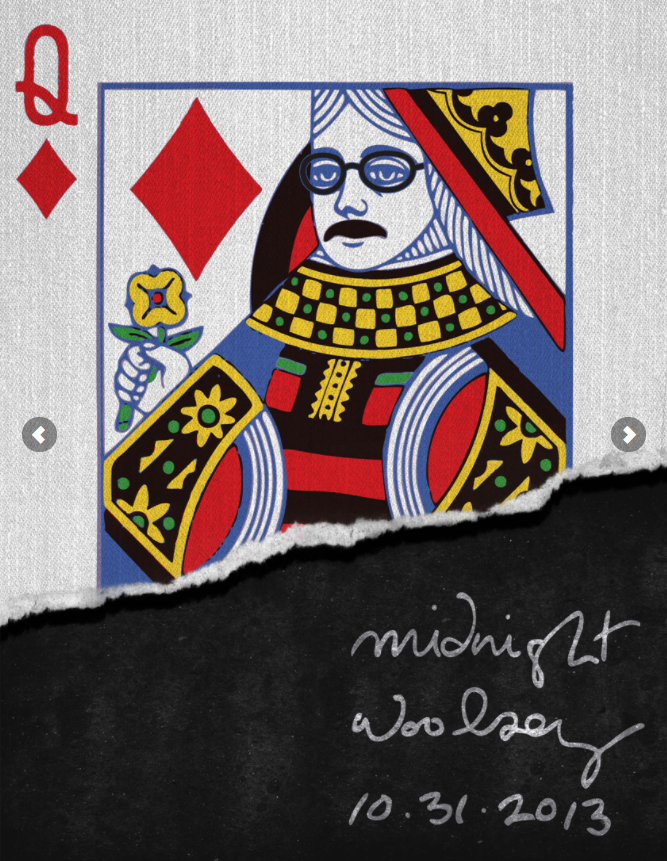
This was written for the Yale Symphony Orchestra’s Halloween show, a Yale tradition, and performed on the night of October 31st in 2018.